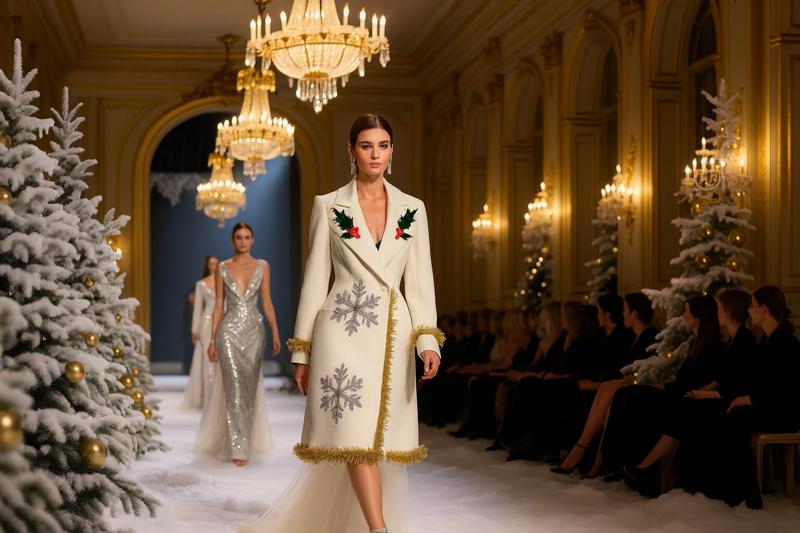

Throughout the fashion world, the lifespan of a trend can be measured in days, not seasons.
And social media platforms such as TikTok and Instagram have accelerated the trend cycle, leaving traditional e-commerce brands struggling to produce content fast enough to stay in tune with current trends. A powerful new tool, Generative AI, is revolutionising how fashion retailers create high impact visual content, allowing them to keep pace with culture at an unprecedented speed.
A prime example of this shift is Zalando, Europe’s largest online fashion platform. Facing the challenge of producing vast amounts of imagery for millions of products across its diverse markets, Zalando has turned to AI to dramatically accelerate its content creation process. And, the company's innovative use of generative AI provides a compelling case study on the catalogue of opportunities, as well as the significant risks that come hand in hand with this new technology.

The AI advantage: speed and cost
The primary drivers for Zalando's adoption of generative AI are speed and cost. Traditional fashion photoshoots are time-consuming and expensive, involving a large crew of photographers, stylists, and models, as well as significant logistical planning, from location scouting to travel arrangements. This can make producing content for every new trend or product a financial and logistical nightmare.
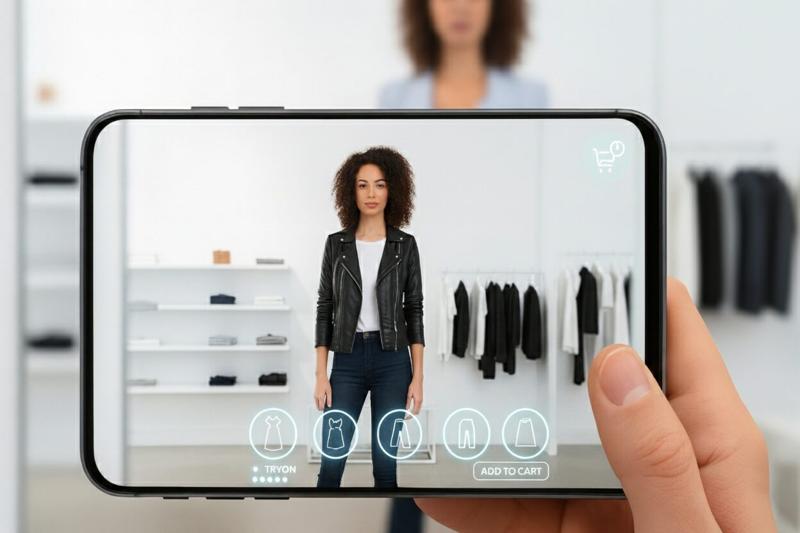
Zalando’s solution is to use AI-generated "digital twins" of models. For example, by creating 3D replicas of real-life models, the company can generate new imagery without the need for a physical photoshoot. This has allowed Zalando to slash production time and cut production costs by as much as 90%. At the same time, this has also eliminated the need for large-scale photoshoots, freeing up a significant amount of marketing budget, for greater investment in other areas.
This new workflow empowers Zalando's creative teams to scale their content output exponentially, creating diverse campaigns that are hyper-personalised and aligned with current cultural trends. And, the efficiency of AI allows brands to create high-quality, editorial-grade content on a budget and timeline that was previously unimaginable.
For many fashion brands, it's not just about producing more, but about producing smarter. For example, a brand could test a new collection with a wide range of body types, ethnicities, and ages in a fraction of the time, allowing them to better gauge consumer interest before committing to physical production. This data-driven approach minimises financial risk and helps brands make more informed decisions about their collections. The ability to quickly visualise a product on an endless variety of models also allows for a level of inclusivity that traditional photoshoots would struggle to achieve efficiently.
What needs to change?
While the speed and cost benefits are clear, the use of AI imagery raises critical questions around brand identity and authenticity. After all, a brand’s connection with its audience is often built on a foundation of trust and relatability. Using AI-generated models and imagery could risk undermining that relationship.
Authenticity
Consumers, especially Gen Z, are increasingly drawn to brands that feel authentic and transparent. For example, a campaign featuring a perfectly-rendered, but non-existent, model could be perceived as disingenuous, leading to consumer backlash and damaging the brand's reputation.
Ethical concerns
The use of AI-generated models raises ethical questions about labor displacement and the livelihoods of human models, photographers, and other creative professionals. Zalando has been careful to frame AI as a tool to augment creativity, not replace it, but the broader industry impact remains a serious concern.
The deepfake problem
As AI technology becomes more sophisticated, there is a growing risk of deepfakes - highly realistic synthetic media that could be used to mislead consumers or misrepresent products. After all, without clear labelling, customers may find it difficult to distinguish between real and AI-generated content, eroding trust in the brand.
To mitigate these risks, brands must be transparent about their use of AI by implementing clear disclosures that can help maintain consumer trust and avoid accusations of deception. Ultimately, the successful integration of AI imagery will depend on a brand’s ability to strike a balance between technological innovation and authentic human connection.
The path forward: balancing innovation with integrity
Zalando's move into generative AI reflects the larger shifts happening throughout the fashion industry. For example, the company's strategic use of digital twins demonstrates that AI can be a game-changer for content production, enabling retailers to act at the speed of culture while simultaneously optimising their resources.
It allows for a level of creative exploration that was previously confined by budgetary and logistical constraints, allowing brands to create unique visual narratives for niche audiences or test marketing concepts without the financial risk of a full-scale campaign.
However, the potential for a backlash against inauthentic imagery, the ethical considerations of job displacement, and the legal and reputational risks of deepfakes mean that brands cannot simply adopt this technology without a thoughtful, long-term strategy.
The most forward-thinking brands will not only embrace the efficiency of AI but will also prioritise transparency and authenticity. By doing so, they can leverage AI as a tool to enhance their creative output and build a stronger, more resilient brand for the future.